A Flexible Supper for Guests Arriving at Different Times
Plan a flexible supper for guests arriving at different times with dishes that hold their texture and flavour through a pause, without precise timing.
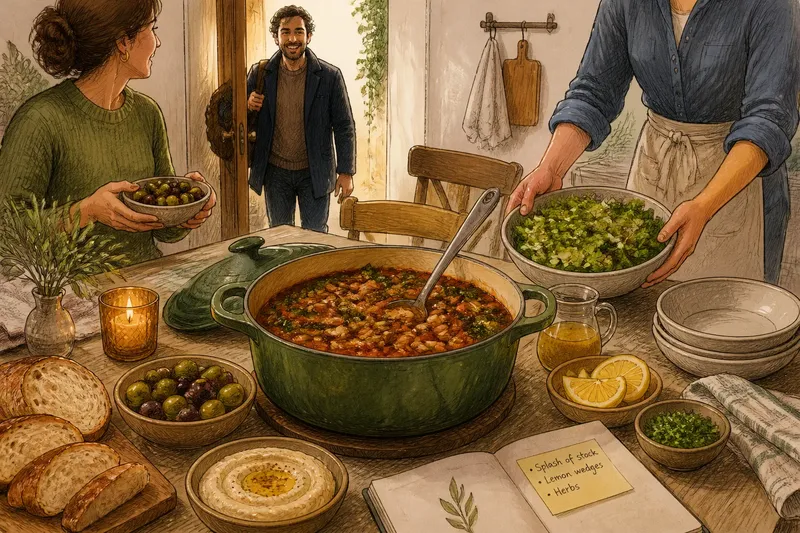
A flexible supper for guests arriving at different times works best when its dishes can wait without becoming worse. Put a pot of bean stew on the table and it can sit gently while someone finds the door; choose crisp fried fish and the first guest may be eating soggy batter by the time the next arrives. The useful question is not “What can I cook quickly?” but “What still tastes good after a pause?”
Choose patient dishes
Look for food that welcomes a little resting time. Braises, thick soups, baked pasta, roast vegetables and grain salads usually cope better than delicate fried or dressed dishes. Their components do not rely on a fleeting contrast between crisp and soft, or hot and cold.
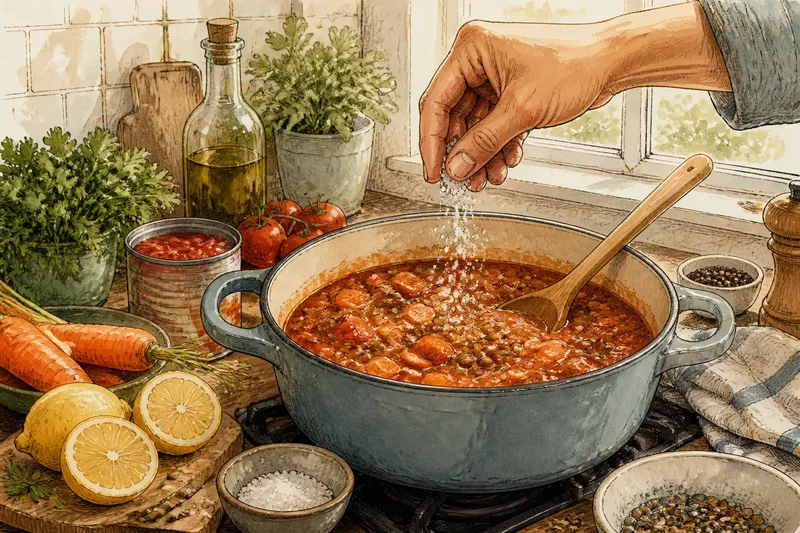
That does not mean making everything hours ahead. A tray of roast carrots can wait while covered loosely; a pot of lentils can stay warm over very low heat, with a splash of water stirred in if it thickens. Keep sauces and crunchy toppings separate until serving so each guest can add them when ready.
Think about how the dish changes as it rests. A stew may deepen in flavour, while a dressed leafy salad wilts. Crusty bread can be sliced at the last moment, and a bowl of olives or nuts can go out before the cooking is finished. Choose a centrepiece that can pause, then add fresh elements that need little attention.
Build in serving stages
A staged meal is not a procession of courses requiring a new timetable. It is a small arrangement of food that lets early arrivals settle in and latecomers join without making everyone wait.
- On arrival: Set out a modest snack, such as bread with hummus or a bowl of marinated beans. It gives guests something to nibble without spoiling supper.
- At the table: Serve the main dish when the first group is ready. Keep a portion back in the pot or baking dish for anyone still travelling.
- For the late plate: Hold back sturdy sides, such as roast squash or cooked grains, rather than assembling every plate in advance.
- Afterwards: Offer fruit, biscuits or a simple pudding that can be served without restarting the kitchen.
Keep the first snack distinct from the main meal. If supper is a hearty bean stew, a small plate of bread and olives is more useful than a second filling dish that leaves people full before the pot reaches the table.
Keep the pause gentle
Food can wait, but it should not be left to guesswork. A lidded saucepan on low heat suits a stew better than a wide pan that loses moisture. If the oven is already holding a casserole, a low setting may help keep it warm; avoid letting it dry out, and check the maker’s guidance for your appliance. For food-safety questions, follow local advice and the instructions for the ingredients you are using.
Some dishes are better held as components. Keep cooked rice covered and serve it promptly; refrigerate it if it will not be eaten soon, following food-safety guidance. A vinaigrette can sit in a jar until needed, while salad leaves stay dry in the fridge. This small separation prevents the waiting period from changing a dish’s texture.
Say you expect one friend before the others and plan a baked pasta supper. You could put bread and olives out first, keep the pasta covered in a warm oven, and leave the green salad undressed in the fridge. The early guest can have a snack, the pasta can be served when the group is ready, and the salad stays crisp for the table.
Make the menu forgiving
Choose a main dish with a clear way to serve a late portion. A casserole can be spooned from its dish; a pot of chickpeas with tomatoes can be ladled into a bowl; a roast chicken is less forgiving once carved and left exposed. If you want a roast, carve only what the first group needs and keep the rest covered for later.
Let side dishes do different jobs. One can be substantial, such as buttered potatoes or couscous, while another adds brightness, such as sliced cucumber with lemon. Keep the bright side separate until the table is ready. A lemon wedge or herb bowl lets guests freshen their own plates without asking you to remake the dish.
Be cautious with foods whose appeal depends on a just-cooked finish: soufflés, thin pancakes, fried chips and crisp-skinned fish. They can still belong in a relaxed meal if you serve them to the first group and offer a separate, pause-friendly option for late arrivals. But if everyone is meant to eat together, they create pressure that a flexible supper is designed to avoid.
What should wait?
Which dishes hold well?
Thick soups, braises, baked pasta and many roasted vegetables generally tolerate a short pause better than crisp fried food. Keep an eye on moisture and texture, and serve sauces or crunchy finishes separately.
How can I keep salad crisp?
Wash and dry leaves ahead, then store them covered in the fridge without dressing. Put the dressing on the table or toss it through just before serving.
Should I serve a snack first?
A small, simple snack helps early guests settle in without turning the wait into a second meal. Choose something that does not compete with the main dish, such as olives when the supper is a rich casserole.
What if someone is much later?
Set aside a portion before serving and chill it if the wait becomes prolonged. Reheat it thoroughly when needed, using suitable food-safety guidance rather than leaving perishable food out indefinitely.
Set up for an easy handoff
Before guests arrive, put serving spoons, plates and a trivet where you can reach them. A sticky note on the pot lid can remind you which dish needs a final splash of stock or a handful of herbs. These are small kitchen cues, not a rigid schedule; they keep you from having to remember every detail while greeting people.
Tell guests plainly that supper will come in stages. Someone arriving early can have a drink and a snack; someone running late need not feel that the whole table has been held for them. That simple expectation makes the flexible supper work socially as well as in the kitchen.
For a flexible supper for guests arriving at different times, make the main dish the calm centre of the meal and let the delicate parts wait until the table is ready. A menu with one patient centrepiece, a separate fresh element and a modest arrival snack gives you room to welcome people at the door instead of watching the clock.